

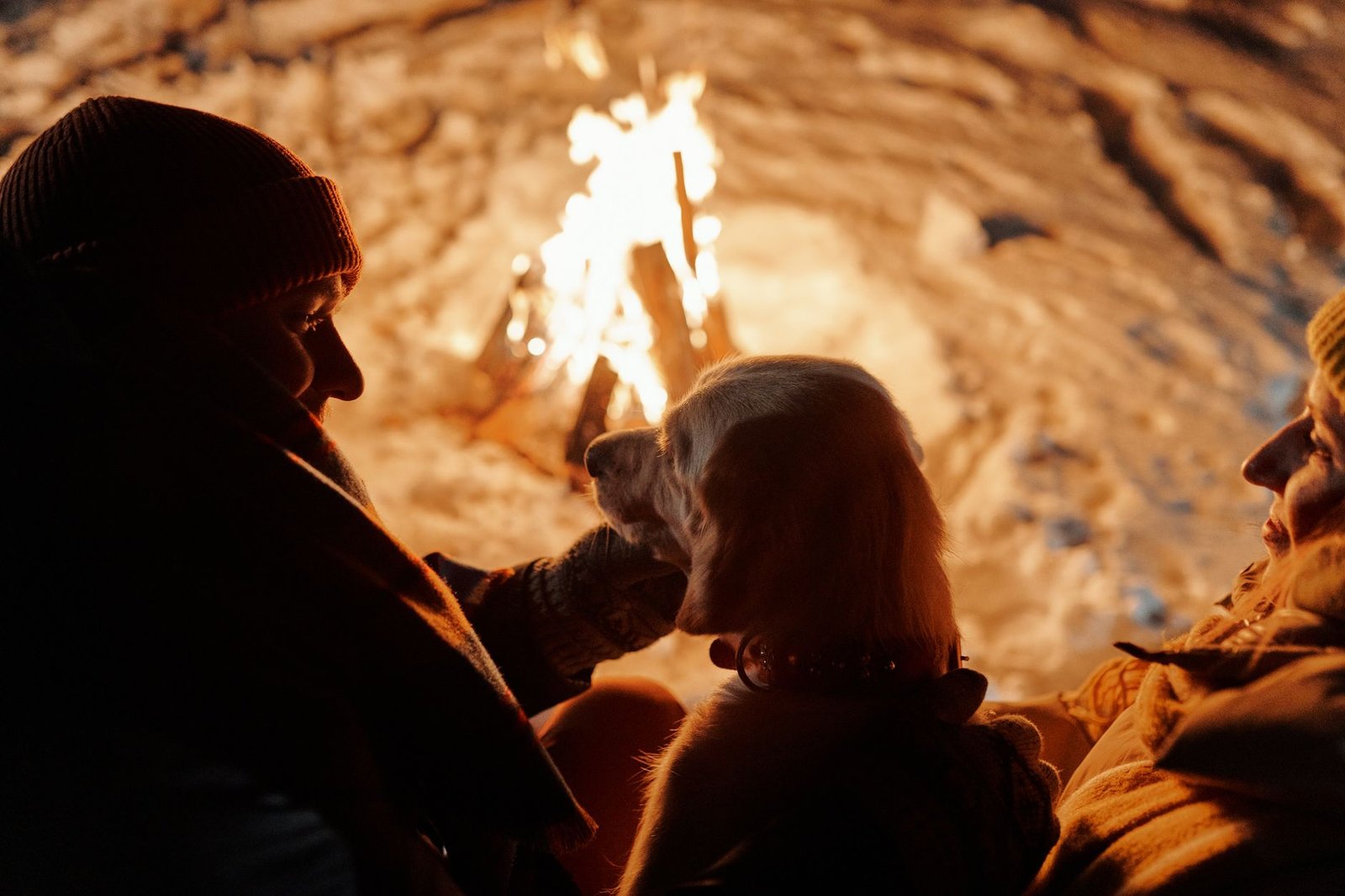
Cougars live throughout Vancouver Island, including the forested edges of Nanaimo, and they are most active around dawn and dusk. As autumn days shorten, those are exactly the hours most people walk their dogs. Keeping dogs on short leashes, cats indoors after dark and walks in company lowers the risk considerably.
Why autumn changes the picture
Cougars are shy and rarely seen, and serious conflicts are uncommon. What shifts in autumn is timing. In June, a six o’clock walk happens in full daylight. By late October the same walk is in the half-light when cougars move and hunt. Deer, their main prey, are also on the move through green belts and the edges of neighbourhoods, and cougars follow the deer.
Vancouver Island has no coyotes, so for island dog owners the wildlife to plan around is different from the mainland. Cougars, black bears and wolves are the large animals worth respecting here, and of those, cougars are the ones most likely to see a small pet as prey.
Who is most at risk
- Small dogs, especially off leash near brush or forest edges
- Cats that roam at dusk and overnight
- Dogs that chase, because a dog running into thick cover alone is vulnerable whatever its size
- Pets and livestock kept outside at night, including rabbits, chickens and goats in outdoor pens
Large, leashed dogs walking with a person are rarely targeted. The risk is concentrated in the combination of low light, dense cover and an animal on its own.
Walking in the shoulder hours
- Keep your dog on a short leash on forested trails and along park edges at dawn and dusk.
- Walk with someone when you can, and talk as you go. Cougars avoid groups of people.
- Carry a flashlight and use a lit collar, so you can see ahead and your dog stays visible.
- Keep children close on the same walks, for the same reasons.
- Watch your dog’s signals. A dog that stops, stares into the bush or refuses to go on is often picking up something you cannot see. Turn around.
- Leave the headphones at home on quiet trails at dusk, so you can hear what is around you.
Around the house
- Bring cats indoors before dusk and keep them in overnight.
- Supervise small dogs in the yard after dark, especially if the property backs onto trees.
- Feed pets indoors and do not leave food out, which draws raccoons and other animals that in turn draw predators.
- Secure outdoor animals at night in fully enclosed, roofed shelters.
- Trim back dense shrubs near doors and play areas, where an animal could stay hidden close to the house.
If you see a cougar
- Pick up a small dog and keep a larger dog tight beside you. Keep children close.
- Never run or turn your back. Running can trigger a chase.
- Face the cougar and make yourself look big. Stand tall, raise your arms or open your jacket.
- Speak loudly and firmly, and back away slowly, giving it a way out.
- If it approaches or acts aggressively, shout, throw sticks or stones toward it, and stand your ground.
- If it attacks, fight back with whatever you have.
Report a cougar seen in a residential area, or one that seems unafraid of people, to the provincial Conservation Officer Service. Sightings help them keep track of animals that are getting too comfortable near homes.
After an encounter
Any contact between a cougar and a pet needs a veterinary check the same day, even if the wounds look small. Claws and teeth leave narrow punctures that close over quickly while the damage underneath is deep, and bites to the neck and chest can injure structures you cannot see. Our urgent care team will assess your pet, X-rays through our diagnostics service help find hidden injuries, and many of these wounds need cleaning, drains or repair from our surgery team.
While you get ready to come in, keep your pet quiet and warm, cover any bleeding wound with a clean cloth and gentle pressure, and do not clean deep punctures with anything harsher than clean water. Note where and when the encounter happened, since that helps the Conservation Officer Service as well as us.
We are open Monday to Friday, 8:00 AM to 6:00 PM. On weekday evenings, overnight, on weekends and on statutory holidays, find the closest emergency hospital that is open and phone first, since emergency hours on the island vary from day to day.
Autumn brings other outdoor hazards for island dogs as well. Our guide to fish hooks, lures and line in Nanaimo covers one that turns up along the rivers every fall.
Frequently asked questions
Are cougars really around Nanaimo?
Yes. Cougars live across Vancouver Island, and they are occasionally seen at the edges of Nanaimo neighbourhoods, parks and trails. Most people never see one, which is why simple habits matter more than worry.
Is my large dog safe?
Large dogs are rarely targeted, especially when leashed and with a person. The risk rises if a dog runs off alone into dense cover, where it can surprise or be surprised by a cougar.
Should my cat stay in all night?
We would recommend it, particularly in autumn and winter. Cats that roam at dusk and overnight face cougars, owls, cars and other risks that indoor cats avoid.
What about walking at dawn before work?
Keep it to well-lit streets rather than forest trails at that hour, walk with a light, and keep your dog close. Save the trails for full daylight on weekends.
My dog has a small scratch after running into the bush. Could it be from a cougar?
Most scratches come from branches and brambles. If your dog came back frightened, has puncture wounds, or you saw or heard an animal, have your dog seen that day.
Do cougars carry rabies?
Very rarely. Rabies in BC is found mainly in bats and is very rare in land animals, but any bite from a wild animal is still worth discussing with us, including whether your pet’s vaccinations are current.
Speak to the team at Harewood Pet Hospital
If your pet has had a run-in with a cougar or any wild animal, phone us, and after hours, on weekends or on statutory holidays, call ahead to the nearest open emergency hospital.
Published by the team at Harewood Pet Hospital.
This article is for general educational purposes only and is not a substitute for an in-person veterinary examination or advice about your individual pet. If you have an urgent concern about your pet, contact Harewood Pet Hospital or your nearest emergency veterinary hospital right away.
Harewood Pet Hospital
Unit 2, 508 Eighth Street, Nanaimo, BC V9R 1B2
Phone: (250) 268-3133
Hours: Monday to Friday 8:00 AM to 6:00 PM; Saturday, Sunday and statutory holidays closed