
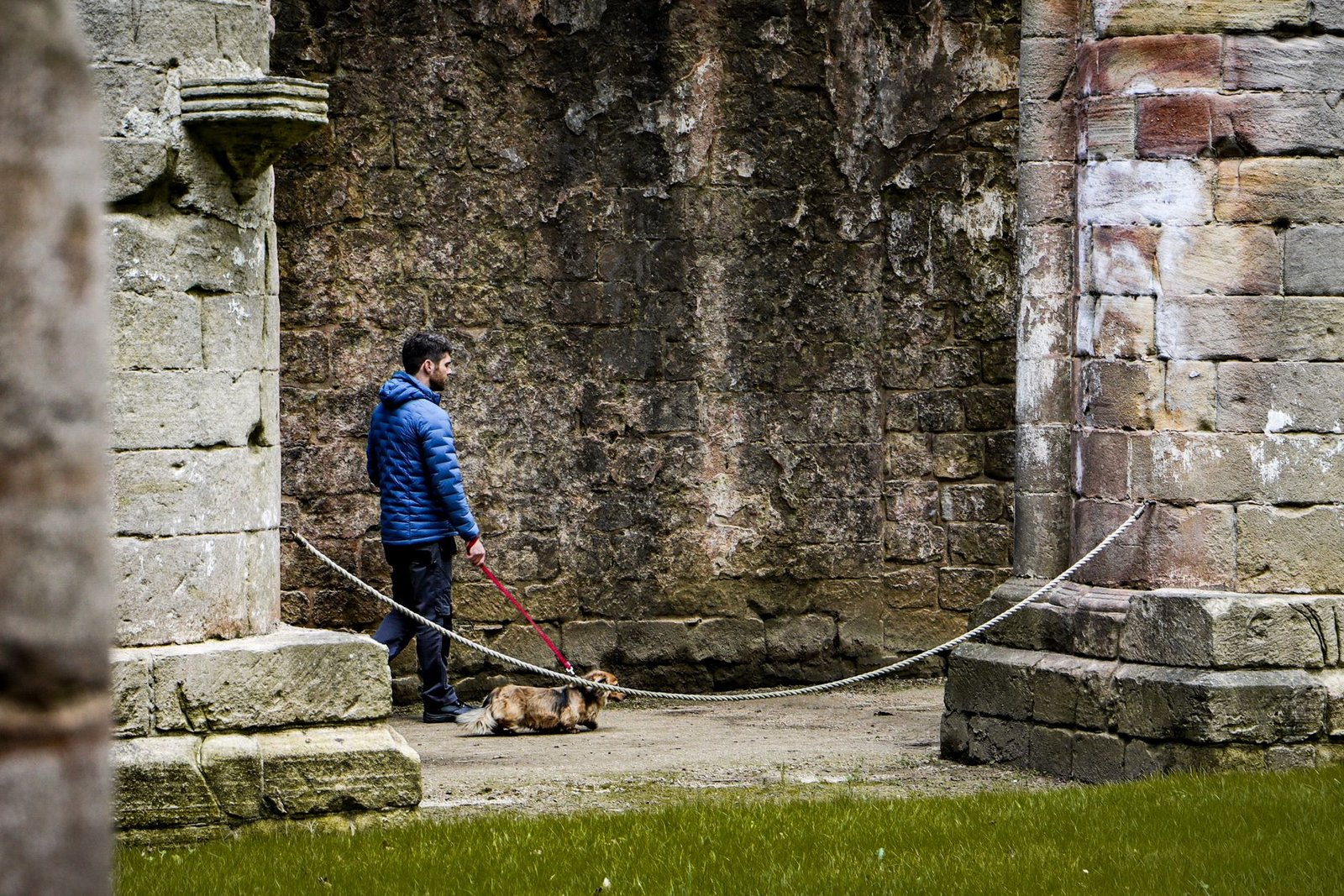
Most owners notice an older dog or cat slowing down in November and put it down to age and cold. Some of it is. A good deal of it is discomfort, and discomfort is usually something we can improve. The useful signs are quiet ones: a changed sleeping spot, a pause at the stairs, a cat who stopped jumping.
Why it always seems to happen in one week
Three things land together in Nanaimo at the start of November. The damp sets in properly. The walks shorten, because it is dark and nobody wants to be out in it. And the house gets reorganized around the heating, so the warm spots move.
An older animal with slightly uncomfortable joints manages well through a dry September. Add cold and damp and they move less. Moving less makes the joints stiffer and costs muscle, and losing muscle makes everything harder again. That loop runs quietly for a few weeks and then the owner notices, all at once, that their dog is not getting up the way they used to.
Which is why it feels sudden and why it gets attributed to the weather. The weather revealed it rather than caused it.
The signs that are worth more than a limp
A limp is obvious and relatively uncommon. These are the changes that actually tell you something, and almost all of them are things owners mention in passing rather than book an appointment about.
In dogs:
- Slower to stand up, particularly after sleeping, or using a wall or furniture to get up.
- A pause at the foot of the stairs, or taking them one at a time.
- Hesitating before getting into the car, or needing help.
- Lying down rather than sitting, or shifting position often.
- Falling behind on walks they used to lead, or turning for home.
- Slipping on hard floors, or splaying the back legs.
- Not shaking themselves off properly after a wet walk.
- Becoming grumpy about being touched, brushed or picked up, which is often pain rather than temperament.
In cats, which is the group most often missed:
- No longer jumping to a favourite high spot, or using a chair as a halfway step.
- Sleeping somewhere new, usually lower down and often warmer.
- A coat that has gone unkempt, especially over the back and hips, because grooming that far has become uncomfortable.
- Hesitating at the litter box, or going beside it, which is frequently about getting in and out rather than about the box.
- Less interested in play, or in going out at all.
- Hiding more, or becoming less tolerant of handling.
Cats limp far less often than dogs with joint discomfort, and a cat who is openly limping should be seen, because that is more often an injury. They simply do less, and doing less reads as a cat who is getting old.
What is worth checking before winter
The reason to look now rather than in March is that most of what turns up is more manageable when it is caught early, and a comfortable animal through the winter holds its muscle rather than losing it.
- A hands-on examination. Joints, muscle mass, how they stand and move, and the parts an owner cannot assess at home.
- Weight and body condition. One of the most powerful levers on joint comfort. Extra weight on sore joints is one of the most achievable things to change and the hardest to do alone, which is what nutrition counselling is for.
- Bloodwork and urine. In older pets this is where the quiet internal changes show up, and several of them look exactly like slowing down: kidney function, thyroid levels, blood sugar, red cell counts and liver values.
- Blood pressure, in older cats especially.
- A look in the mouth. A sore mouth makes an animal quieter and pickier, and it gets blamed on age constantly.
- Eyes and hearing. A pet who seems confused or startles easily in the dark months is sometimes a pet who cannot see or hear as well as they did.
- How they are managing at home. Which is genuinely useful information, so come with specifics: what changed, when, and what they used to do.
Our wellness and preventive care team runs exactly this kind of visit, and our diagnostics team handles the bloodwork, imaging and blood pressure side. Where something needs attention quickly rather than at the next appointment, come in through our urgent care.
Our hours are 8:00 AM to 6:00 PM Monday to Friday, and we are closed on Saturdays, Sundays and statutory holidays. That is a long closed stretch every week, so it is worth knowing where the nearest open emergency hospital is before you need it. A pet who cannot stand, who suddenly cannot use a back leg, who is crying in pain or who has collapsed should go there straight away with a call on the way, rather than waiting for Monday morning.
What helps at home, through the winter
Most of this costs nothing and makes a surprising difference to an older animal in a damp coastal winter.
- Traction. Runners and mats on hard floors, especially on the route from the bed to the door and at the foot of the stairs. Slipping is both painful and frightening, and a dog who has slipped once becomes hesitant.
- Warmth, off the floor. A thick bed away from drafts and away from the cold floor, and not directly in a heating vent stream.
- Lower the obstacles. A step or a ramp to the sofa or the car. For cats, a chair beside the windowsill, and a litter box with one low side.
- More litter boxes, closer. An older cat who has to go downstairs to the only box will sometimes stop making the trip.
- Ask us about bowl height for a dog who finds reaching down uncomfortable. Raised bowls are not advised for every dog, particularly large and deep-chested breeds, so check before you change anything.
- Shorter, more frequent walks rather than one long one. Steady movement helps joints; a weekend route that is twice the usual length does not.
- Dry them properly after a wet walk, including the belly and legs, because sitting damp is miserable for a stiff animal.
- Keep the nails short. Long nails change how a pet stands and make slipping worse, and older pets wear them down less because they walk less.
- Nothing from your own cabinet, ever. This matters more here than anywhere else in the article. Products people reach for when their own joints ache are, in a dog or a cat, capable of shutting down kidneys, opening up the stomach lining or wrecking red blood cells, and in cats it takes remarkably little. A sore older pet needs a phone call, not a shortcut.
Frequently asked questions
Is my dog just getting old, or is something wrong?
Old age is not itself a reason for an animal to be uncomfortable, and “slowing down” covers a lot of specific, manageable things. The honest answer is that it needs an examination, because the difference between normal aging and joint discomfort, a sore mouth, reduced thyroid function or early kidney change is not something to settle by watching.
My cat does not limp, so her joints must be fine?
Not necessarily. Cats very rarely limp with joint discomfort; they stop jumping, sleep lower down, groom less thoroughly and get grumpy about being handled. If your cat no longer gets onto something she used to, that is the signal.
Can I give my dog something for the stiffness over the winter?
Nothing from your own cabinet, and nothing left over from another animal. What suits one pet depends on their age, how their kidneys and liver are working and whatever else is going on, and the things people take themselves are genuinely dangerous to both species. Phone us and we will work out what fits yours.
Do joint supplements help?
Some have reasonable evidence behind them and some are marketing, and the useful ones work best as part of a plan that also includes weight, exercise and home changes rather than on their own. Bring the product you are considering to an appointment and we will tell you honestly what we think of it.
Should I walk my older dog less in the cold?
Less in one go, not less overall. Regular gentle movement is one of the better things for stiff joints, while a single long or strenuous outing tends to cause a setback. Two or three short walks beat one long one, and a coat helps a thin or short-coated older dog stay willing.
How often should an older pet be checked?
Twice a year once they are into their senior years, rather than annually, because things change faster at that stage and six months is long enough for something to establish itself quietly. A pre-winter visit and a spring one works well.
My older cat has started having accidents outside the litter box. Is that behavioural?
Sometimes, and often it is physical: difficulty climbing into a high-sided box, discomfort crouching, drinking more and producing more urine than the box can cope with, or passive leaking, which is a different problem with a different cause. Please have her checked rather than assuming it is a habit, because several of the causes are straightforward once identified.
Speak to the team at Harewood Pet Hospital
If your older dog or cat has changed with the weather, phone us and describe what they used to do and what they do now. We are open weekdays 8:00 AM to 6:00 PM; outside those hours, including weekends and statutory holidays, use the nearest open emergency hospital for anything urgent and call them on the way.
Published by the team at Harewood Pet Hospital.
This article is for general educational purposes only and is not a substitute for an in-person veterinary examination or advice about your individual pet. If you have an urgent concern about your pet, contact Harewood Pet Hospital or your nearest emergency veterinary hospital right away.
Harewood Pet Hospital
Unit 2, 508 Eighth Street, Nanaimo, BC V9R 1B2
Phone: (250) 268-3133
Hours: Monday to Friday 8:00 AM to 6:00 PM; Saturday, Sunday and statutory holidays closed