
Heart disease in pets often develops quietly, but early signs include coughing, tiring easily, faster or laboured breathing, and reduced appetite. Many heart conditions can be managed well when caught early, which is why regular checkups matter. At Harewood Pet Hospital in Nanaimo, our team offers cardiology care to diagnose and support pets with heart concerns.
What heart disease means in pets
Heart disease is any condition that affects how well the heart pumps blood, and it can be present from birth or develop with age. Some pets live comfortably for years with a heart condition that is monitored and managed, while others need more active treatment. The encouraging part is that many heart problems are manageable, especially when they are found before a pet becomes seriously unwell.
Dogs and cats tend to develop different heart problems. In dogs, valve disease that develops with age and certain inherited conditions are common, while in cats, a disease of the heart muscle called cardiomyopathy is the one most often seen. Knowing this helps explain why the signs, and the testing, can differ between species.
Signs to watch for at home
Heart disease can be subtle at first, so it helps to know what to look for. Possible signs include a cough, especially in dogs, tiring easily or being reluctant to exercise, faster or harder breathing at rest, restlessness at night, fainting or weakness, a swollen belly, and a reduced appetite. Cats are particularly good at hiding heart disease, and sometimes the first sign is sudden difficulty breathing or weakness in the back legs, which is always an emergency.
None of these signs confirms heart disease on their own, since they overlap with other conditions. They are simply reasons to have your pet checked rather than to wait and wonder.
Why early detection matters so much
Caught early, many heart conditions can be slowed and managed, helping your pet feel better and stay comfortable for longer. Left unnoticed, heart disease can progress to heart failure, where fluid builds up and breathing becomes difficult. This is why routine exams are so valuable: your veterinarian may detect a heart murmur or an irregular rhythm during a checkup, long before your pet shows any signs at home.
How heart disease is diagnosed
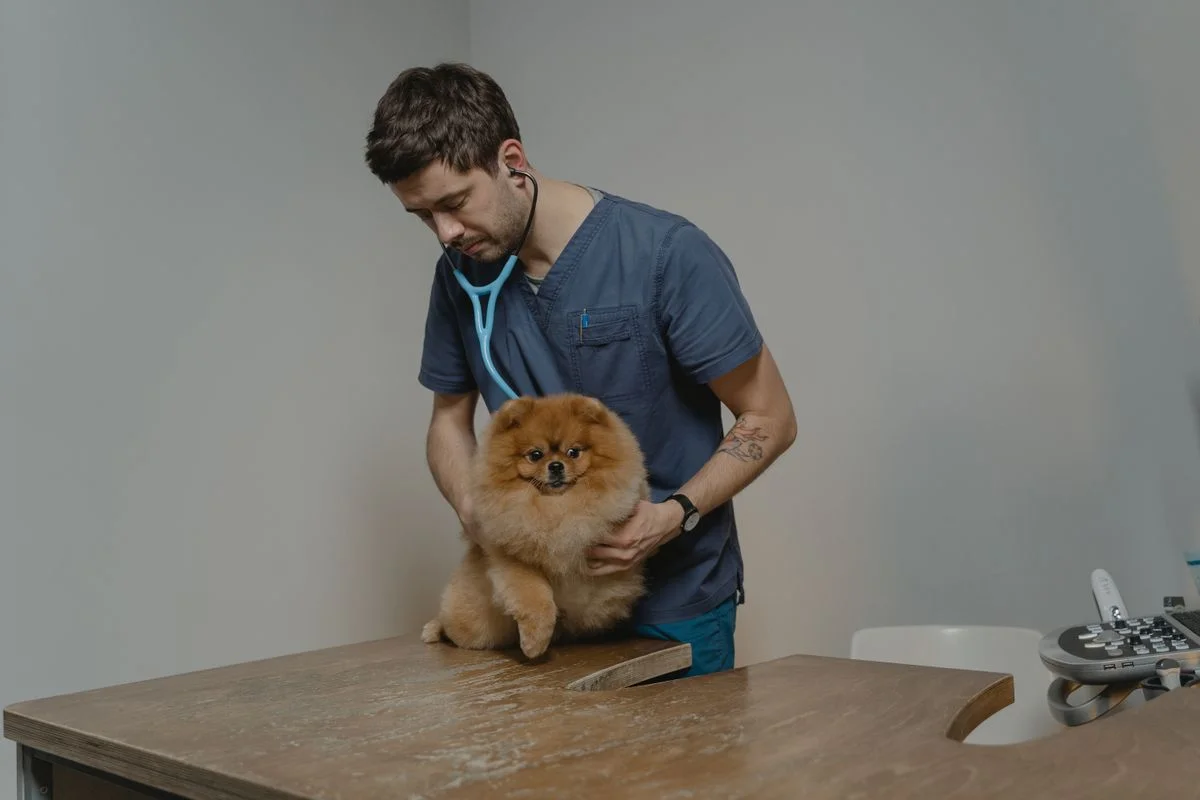
Diagnosis usually begins with a thorough physical exam, where your veterinarian listens to the heart and lungs for murmurs, rhythm changes, or fluid. From there, our cardiology and diagnostics services can build a clear picture using chest X-rays, an ultrasound of the heart called an echocardiogram, blood pressure measurement, and blood tests. These tests are painless and tell your veterinarian what type of heart problem is present and how best to support it.
Living with a pet who has heart disease
Many pets with heart disease do very well with a treatment plan tailored to them. This often includes medications, a suitable diet, and regular rechecks to adjust care as needed. One simple, powerful tool you can use at home is counting your pet’s resting breathing rate while they sleep, since a rising rate can be an early warning that fluid is building. Your veterinary team will show you how and what numbers to watch.
Keeping rechecks, giving medications consistently, and calling promptly if breathing changes are the habits that keep a heart patient comfortable. Harewood Pet Hospital is locally owned by Dr. Satnam Singh Mann, and our veterinarians are registered with the College of Veterinarians of British Columbia.
Prevention and the value of checkups
Not every heart condition can be prevented, but regular wellness and preventive care gives the best chance of catching problems early. Routine visits let your veterinarian track your pet’s heart over time, manage weight to reduce strain, and stay alert to subtle changes. If a concern arises between visits, urgent care is available to assess your pet quickly. Steady preventive care is the foundation of a long, comfortable life.
Frequently asked questions
Does a heart murmur mean my pet has serious heart disease?
Not always. Some murmurs are mild or even harmless, while others signal a condition that needs monitoring or treatment. Your veterinarian will recommend testing to understand what the murmur means for your individual pet.
Can heart disease in pets be cured?
Most heart conditions cannot be cured, but many can be managed very effectively. With the right plan, pets often stay comfortable and active for a long time, which is why early diagnosis matters so much.
Why is my cat at risk if she seems perfectly healthy?
Cats are experts at hiding illness, and heart disease can advance with no obvious signs. Sometimes the first sign is a sudden emergency, so regular exams and any recommended testing are the safest way to stay ahead of it.
What is counting breaths at home, and why does it help?
It means counting how many breaths your pet takes per minute while resting or sleeping. A steady rise over a few days can be an early sign of fluid building in the lungs, giving you a chance to call before it becomes an emergency.
Is exercise safe for a pet with heart disease?
Often gentle, regular activity is fine and even helpful, but it depends on the condition. Your veterinarian will advise how much exercise is appropriate and what to avoid for your pet.
How often should my pet have their heart checked?
At least once a year for healthy adults, and more often for pets with a known heart condition or murmur. Your veterinarian will set a recheck schedule based on your pet’s needs.