Hyperthyroidism is a common hormonal condition in older cats, caused by an overactive thyroid gland. Classic signs are weight loss despite a good or increased appetite, restlessness, and increased thirst. It is diagnosed with a blood test and is very treatable, so early detection helps protect your cat’s heart and overall health.
If your older cat is eating well, even hungrily, yet steadily losing weight, hyperthyroidism is one of the first things a veterinarian will consider. It is one of the most common hormonal disorders in senior cats, and while that can sound worrying, it is also one of the most treatable. For cat owners in Harewood and across Nanaimo, knowing the signs means you can catch it early and protect your cat’s long-term health.
What hyperthyroidism is
The thyroid glands, located in the neck, produce hormones that regulate metabolism, the rate at which the body uses energy. In hyperthyroidism, these glands become overactive and produce too much hormone, usually because of a benign enlargement. The result is a body running in overdrive. This speeding up of the metabolism explains many of the signs owners notice, and it also places quiet strain on organs such as the heart, which is why the condition is worth taking seriously. Left unchecked, that constant overdrive gradually wears on the body, so identifying and treating it early makes a real difference to a senior cat’s comfort and lifespan.
Signs to watch for in your cat
Hyperthyroidism typically affects middle-aged and older cats, and the signs often develop gradually. Watch for:
- Weight loss despite a normal or even increased appetite
- Increased thirst and urination
- Restlessness, hyperactivity, or increased vocalising
- A poor or unkempt coat
- Occasional vomiting or diarrhea
- An increased heart rate
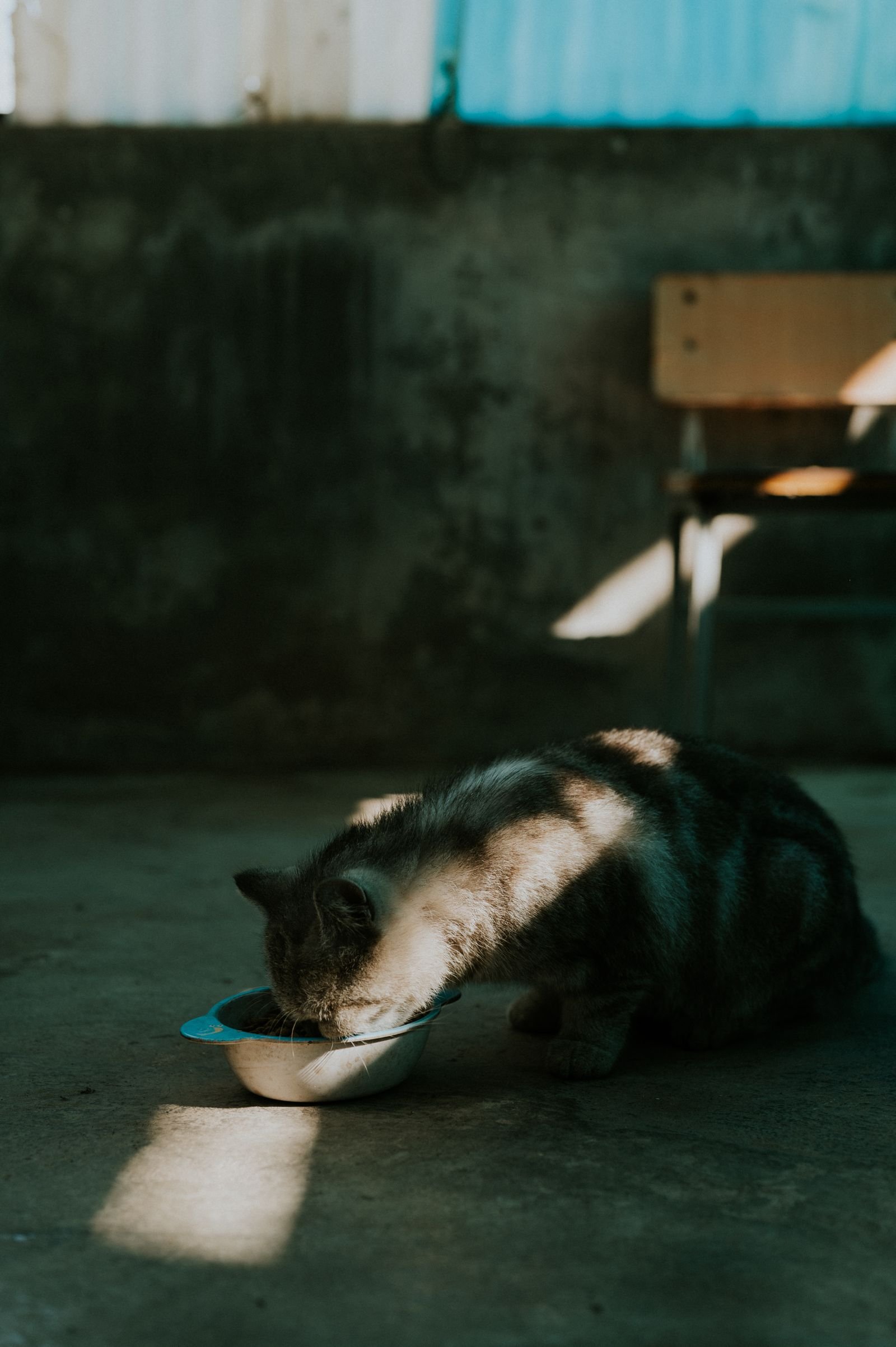
Because these changes come on slowly, they are easy to dismiss as normal aging. A senior cat who seems to have a bottomless appetite yet is getting thinner is showing a classic warning sign that deserves a veterinary visit.
How hyperthyroidism is diagnosed
The good news is that diagnosis is usually straightforward. A physical exam may reveal an enlarged thyroid gland or a fast heart rate, and a simple blood test measuring thyroid hormone levels typically confirms it. Because hyperthyroidism can occur alongside other conditions common in older cats, your veterinarian will often run broader bloodwork and diagnostics at the same time to get a complete picture of your cat’s health, including kidney function and blood pressure.
Treatment options
Hyperthyroidism is very manageable, and there are several effective approaches. The best choice depends on your individual cat, and your veterinarian will discuss the options with you:
- Daily medication to regulate thyroid hormone levels
- A prescription therapeutic diet designed for thyroid management
- Other treatment approaches your veterinarian may discuss for suitable cats
Whichever path you choose, cats generally respond well, and many return to a comfortable, stable life. A nutrition consultation can help if a dietary approach is part of the plan, and ongoing monitoring keeps treatment on track.
After treatment begins, follow-up blood tests are important. They confirm that thyroid levels have settled into a healthy range and let your veterinarian fine-tune the dose or diet over time. This monitoring also keeps an eye on the kidneys, since treating hyperthyroidism can occasionally unmask kidney changes that were previously hidden, allowing the whole plan to be adjusted for your cat.
Why the heart connection matters
Left untreated, the constant strain of an overactive metabolism can affect the heart, sometimes leading to changes in heart muscle and rhythm. This is one of the main reasons early detection and treatment are so valuable. If your veterinarian has concerns, a cardiology assessment can evaluate how the heart is coping. Encouragingly, many heart changes linked to hyperthyroidism improve once the thyroid condition is under control.
Caring for senior cats in Nanaimo
Hyperthyroidism is a reminder of how much senior cats benefit from regular checkups, since the earliest signs are so easy to miss at home. If your older cat is losing weight, seems extra hungry, or is behaving differently, do not put it down to age alone. A senior wellness exam with simple blood testing can catch hyperthyroidism early and keep your cat feeling their best.
Frequently asked questions
What is the most common sign of hyperthyroidism in cats?
The classic sign is weight loss despite a good or even increased appetite. Many owners notice their cat seems constantly hungry yet keeps getting thinner. Increased thirst, restlessness, and a poor coat are also common. A blood test is needed to confirm the diagnosis.
At what age do cats develop hyperthyroidism?
It typically affects middle-aged and senior cats, most often those over about ten years old, though it can occur earlier. Because risk rises with age, regular wellness screening for older cats helps catch it in the early stages, before it strains the heart and other organs.
Is hyperthyroidism in cats treatable?
Yes, and very effectively. Options include daily medication, a prescription thyroid diet, and other approaches your veterinarian may discuss. Most cats respond well and return to a stable, comfortable life. Ongoing monitoring ensures treatment stays properly adjusted over time.
Can hyperthyroidism affect my cat’s heart?
It can. An overactive thyroid speeds up the metabolism and can strain the heart if left untreated, sometimes causing changes in heart muscle or rhythm. This is a key reason to treat it early. Reassuringly, many of these heart changes improve once the condition is controlled.