

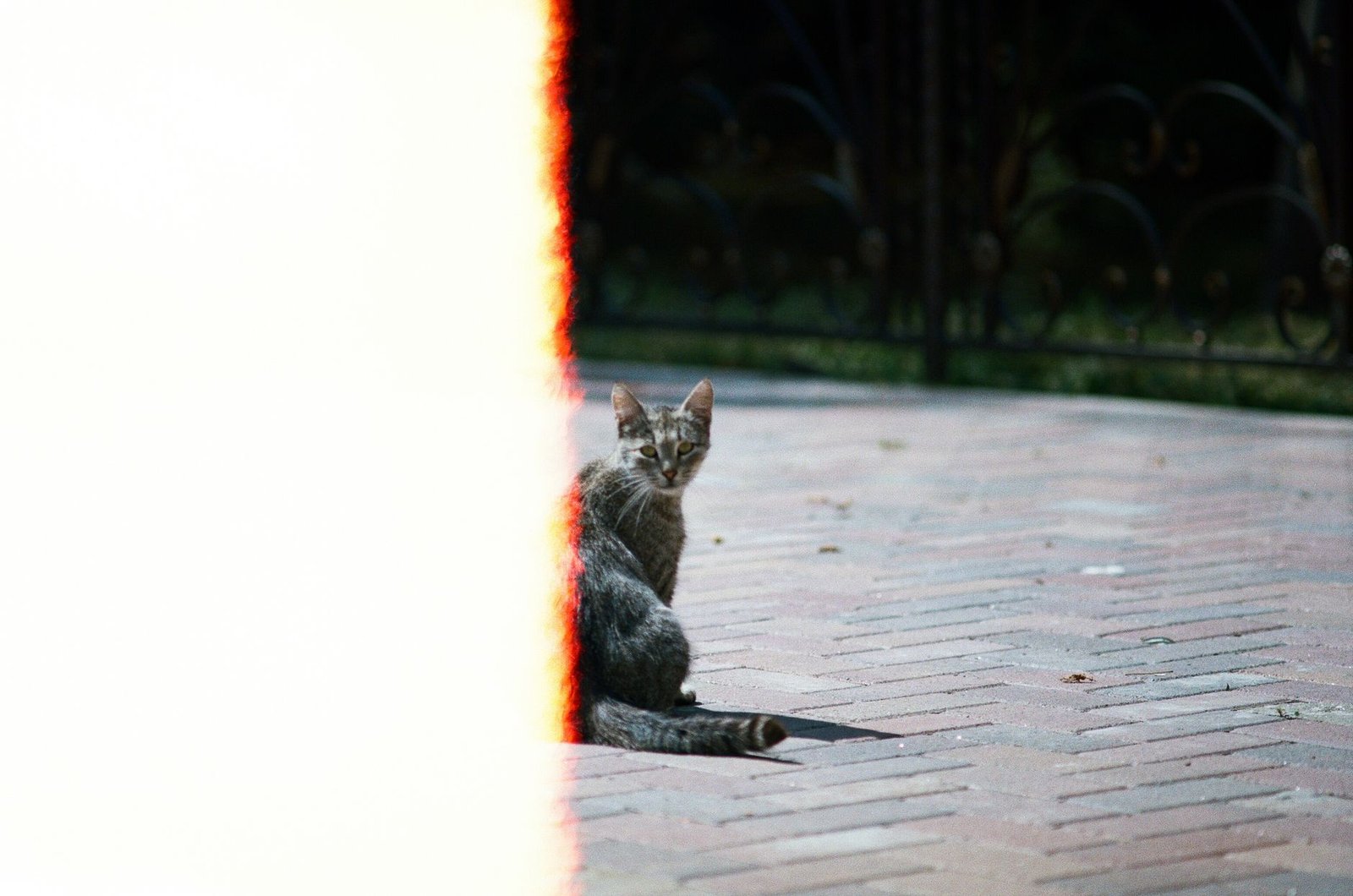
Cats hide. It is one of the most normal things they do, and most hiding means nothing at all. What is worth paying attention to is a change: a cat who has started using a place they never used before, or who is spending far longer out of sight than they used to.
Normal hiding, and why it exists
A hiding place is a cat’s security system. Somewhere enclosed, usually with one entrance, ideally with a view of the room. Cats use them to sleep safely, to get away from household noise, and to take a break from other animals or people.
A cat with good hiding options is generally a more relaxed cat, not a more anxious one. Taking the spots away, or blocking them off, tends to make things worse rather than better.
So ordinary hiding looks like this: a familiar spot, used predictably, and the cat comes out for meals, company and the usual routine. Nothing to do.
The hiding worth noticing
- A new place, particularly one that is lower down, harder to reach or somewhere they never liked before. A cat who moves from a high shelf to under a bed is often telling you the climb got harder.
- Longer stretches, or missing meals they would normally appear for.
- Coming out only at night, when the house is quiet.
- Hiding plus anything else: eating less, grooming less, a coat that looks unkempt, weight change, drinking more.
- Not wanting to be found. A cat who always tolerated being lifted out and now objects is worth a visit.
- Hiding that started suddenly, with no household change to explain it.
The guiding idea is simple. Cats conceal illness and discomfort extremely well, and withdrawing is one of the few things they do that we can actually see. A cat who feels unwell very often goes somewhere small and quiet rather than showing you anything more obvious.
The ordinary explanations too
Plenty of new hiding has a household cause, and these are worth ruling in before worrying.
A change in who is home and when. Construction or a noisy appliance. A new pet, a new baby, or a visitor staying. A strange cat visible through a window, which is a surprisingly common and often missed trigger. Furniture moved, so the old spot no longer feels enclosed. Or simply winter, and a warmer place found.
If you can point at something that changed in the same week, give it two weeks and see whether the cat settles. If you cannot, that is more interesting.
What to do rather than drag them out
- Leave the hiding place alone. Removing a cat’s refuge removes their coping strategy and usually deepens the problem.
- Add options instead. A covered bed, a box on its side, a high shelf with a step up to it. More choices means less need for the inaccessible one.
- Bring the resources closer. Food, water and a litter box on the same floor, so a cat who is reluctant to move around does not have to choose.
- Watch rather than intervene. Note what they eat, whether the litter box is being used, and whether they come out at all over twenty-four hours.
- Block the window view at the bottom if a neighbouring cat is patrolling outside.
Where the change does not resolve, our medical services cover the examination, and it is worth saying plainly that a hiding cat is a difficult patient to assess from a distance, so coming in is the step that moves things forward. In-house diagnostics are how we check the physical possibilities in an older cat rather than guess, and a wellness visit is the easiest route in if nothing is obviously wrong but something has clearly changed. Dental care belongs in that conversation too, since a sore mouth is a common and quiet reason a cat withdraws.
Our hours
We are open Monday to Friday from 8:00 am to 6:00 pm. We are closed on Saturdays, Sundays and statutory holidays.
That weekend closure is worth planning around with this topic. A cat who has not eaten for more than a day, who is straining in the litter box without producing urine, who is breathing with effort, or who cannot be roused properly should not wait for Monday. If that happens when we are closed, go to an open emergency hospital rather than waiting for us to open.
Common questions
How long is too long to be hidden?
A cat who does not come out for food or the litter box within twenty-four hours needs to be seen. Shorter than that, watch and note.
Should I shut them out of the hiding place?
No. Add better options rather than removing the one they have chosen.
My cat hides only when visitors come.
That is normal and healthy, as long as they come out afterwards. Give them a room with the door closed and their own things in it on busy days.
Is hiding more common in older cats?
Yes, and it is also more likely to mean something in an older cat. The combination of age and a new hiding place is worth an appointment.
What should I bring to the visit?
A note of when it started, what changed that week, and what they have eaten. A short phone video of how they move is more useful than people expect.
Speak to the team at Harewood Pet Hospital
If your cat has chosen somewhere new in the last week, write down when it started and what else changed. If nothing did, book a visit rather than waiting it out.
Published by the team at Harewood Pet Hospital.
This article is for general educational purposes only and is not a substitute for an in-person veterinary examination or advice about your individual pet. If you have an urgent concern about your pet, contact Harewood Pet Hospital or your nearest emergency veterinary hospital right away.
Harewood Pet Hospital
Unit 2, 508 Eighth Street, Nanaimo, BC V9R 1B2
Phone: (250) 268-3133
Hours: Monday to Friday 8:00 am to 6:00 pm; closed Saturday, Sunday and statutory holidays